Revitalizing Old National Highway: A Balancing Act of Progress and Preservation
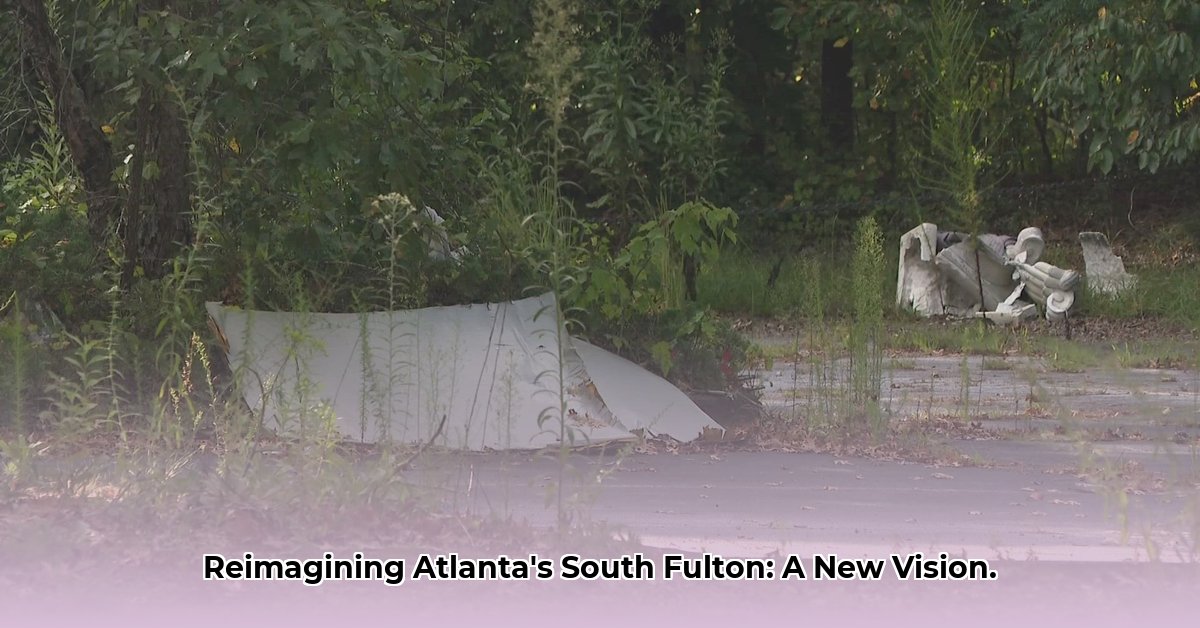
Atlanta's Old National Highway, a historic thoroughfare running through South Fulton, is undergoing a massive redevelopment. This isn't simply about constructing new buildings; it's about revitalizing a community, fostering economic growth, and addressing decades of disinvestment. The project presents a unique challenge: how do we balance economic progress with preserving the neighborhood's character and ensuring that all residents share in the benefits? The success of this endeavor hinges on a delicate balance – one that requires careful planning, community engagement, and a multifaceted approach to addressing persistent challenges. Can this ambitious plan create a thriving community without displacing existing residents? For more detailed information, see the Old National Highway project website.
Understanding the Stakes: Key Players and Their Aspirations
The Old National Highway redevelopment is a collaborative effort, involving a diverse range of stakeholders with varying, yet often interconnected, goals. Understanding their individual interests is crucial to the project's success.
| Stakeholder | Short-Term Goals (Next Year) | Long-Term Vision (3-5 Years) |
|---|---|---|
| City of South Fulton | Secure funding, finalize development plans, enhance public safety. | Modern infrastructure, robust community engagement programs, and a thriving, inclusive community. |
| Developers | Secure financing, manage risks effectively, gain community support. | Sustainable development, positive community relationships, and ethical development practices. |
| Residents | Active participation in planning, improved safety, and accessible resources. | Increased property values, improved amenities, access to safe and affordable housing options. |
| Law Enforcement | Increased patrols, crime reduction in hotspots, community partnerships. | Effective crime prevention, improved community trust, data-driven resource allocation. |
Navigating the Challenges: Potential Risks and Mitigation Strategies
While the potential benefits of the Old National Highway redevelopment are substantial, several potential risks could derail the project. Proactive planning and careful mitigation strategies are essential to navigate these obstacles.
| Risk | Likelihood | Severity | Mitigation Strategies |
|---|---|---|---|
| Crime and Safety Issues | Very Likely | Very Severe | Increased police presence, community policing, improved lighting, security cameras, community watch programs. |
| Funding Shortages | Moderately Likely | Very Severe | Diversified funding sources, public-private partnerships, grant applications. |
| Construction Delays | Moderately Likely | Moderately Severe | Contingency planning, prioritizing essential infrastructure, transparent community communication. |
| Community Opposition | Moderately Likely | Moderately Severe | Transparent communication, active community engagement, addressing displacement concerns. |
| Environmental Concerns | Unlikely | Moderately Severe | Thorough environmental impact assessments, sustainable development practices. |
The Heart of the Matter: Community Engagement and Equitable Development
The success of the Old National Highway redevelopment heavily depends on genuine community engagement. This isn't just about informing residents; it's about actively involving them in the planning and implementation process. Listening to their concerns, addressing their needs, and ensuring equitable benefits are paramount. Existing businesses—like Arden's Garden and Karma Nutra—are critical to the community's fabric and must be supported, not displaced. The project’s success hinges on creating a truly inclusive environment where everyone can thrive.
Crime Reduction: A Critical Component of Revitalization
Addressing the high crime rates along Old National Highway is crucial for attracting investment and fostering a safe and thriving community. A multi-pronged approach is necessary, combining immediate actions with long-term strategies. Short-term initiatives, such as increased police visibility and improved lighting, can offer immediate safety improvements. Long-term solutions require community policing initiatives, comprehensive crime prevention programs, and significant infrastructure upgrades. A new police headquarters, strategically located for optimal response times and community engagement, is also a key component of the long term strategy. Do we fully understand the interconnectedness of crime reduction and neighborhood revitalization?
Key Takeaways: A Vision for the Future
- The Old National Highway redevelopment requires a holistic approach that addresses historical disinvestment and persistent crime while celebrating the area’s unique cultural heritage.
- Collaboration between city officials, investors, and residents is absolutely vital.
- Combating crime involves a combination of increased policing, community-oriented strategies, infrastructure improvements, and comprehensive crime prevention programs.
- Addressing underlying economic inequalities and blight is essential for sustainable, long-term success.
- Balancing revitalization efforts with preventing gentrification requires sustained community engagement and initiatives focused on affordable housing.
The Old National Highway redevelopment presents both a significant challenge and an extraordinary opportunity. By prioritizing community engagement, addressing crime effectively, and thoughtfully planning for the future, South Fulton can transform this historic corridor into a vibrant and inclusive community for all. This is not just about rebuilding roads and buildings. It's about rebuilding a community.